
Helping Your Child Build Better Coping Skills
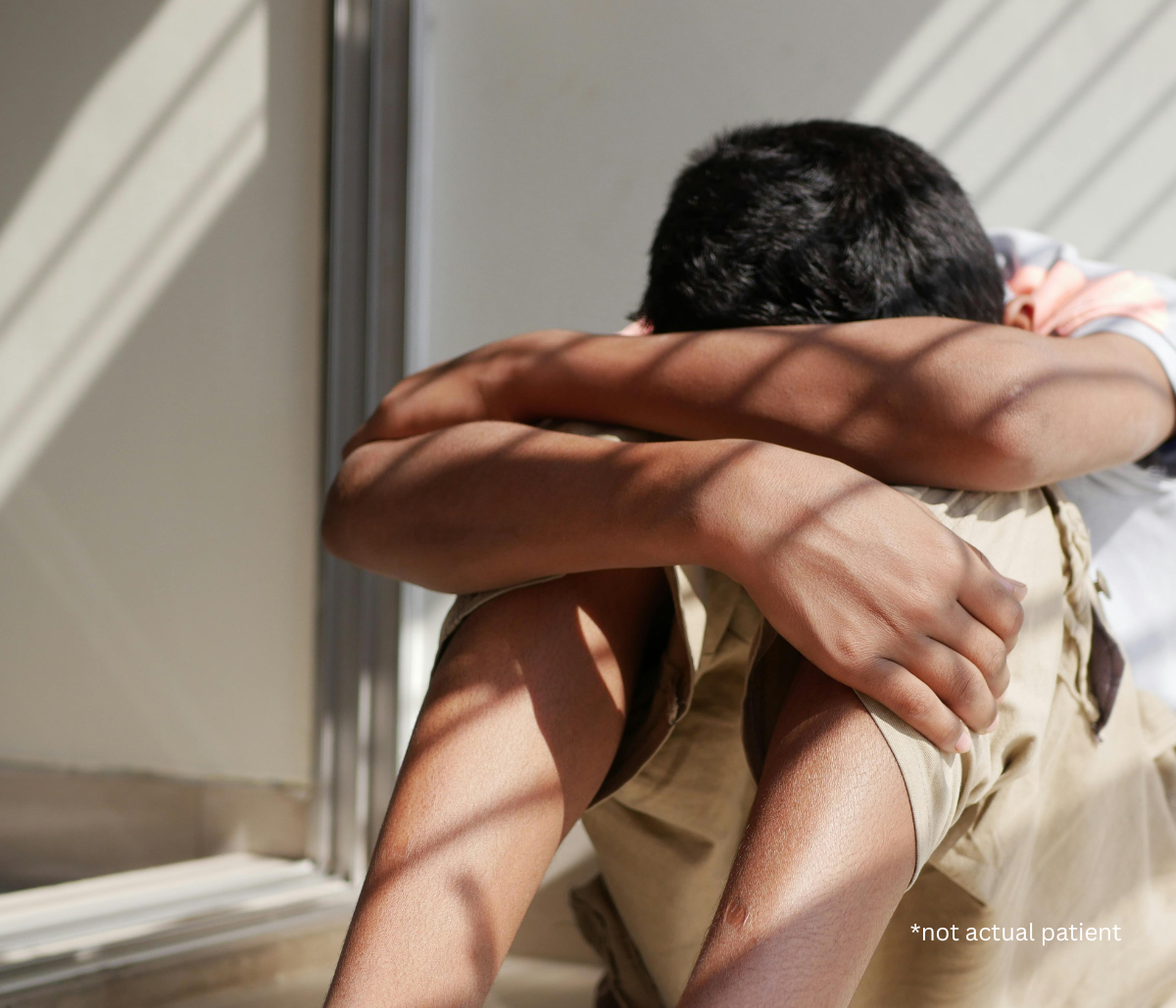
Children don't always know how to explain what they're feeling. Instead, stress, frustration, worry, or disappointment might come out as a meltdown, an argument, shutting down, trouble concentrating, or a sudden change in behavior.
Learning how to handle those feelings takes time. They need opportunities to practice coping with difficult situations. With the right support, they can learn to recognize their emotions, work through them, and find healthier ways to respond.
For parents looking for child counseling in College Park, MD, therapy can give your child a place to work on these skills while also helping you better understand what may be behind some of their struggles.
What Are Coping Skills?
Coping skills are simply the things we do to deal with stress and difficult emotions. For children, that might mean taking a few deep breaths when they're frustrated, taking a break when they feel overwhelmed, talking to someone they trust, or finding an activity that helps them calm down.
The right coping strategy will look different for every child. A younger child might need help learning how to take a break when they're upset. An older child might need help recognizing when stress is building before it becomes too much.
The goal isn't to teach your child how to avoid difficult emotions. Everyone feels angry, sad, worried, disappointed, or frustrated sometimes. Instead, coping skills can help children learn that they can experience those feelings without letting them completely take over.
Why Do Some Kids Struggle With Coping?
Every child handles stress differently. Some children are naturally more sensitive or have a harder time with changes in their routines. Others may struggle to put their feelings into words or may not know what to do when something doesn't go the way they expected.
Stress at school, friendship problems, family changes, academic pressure, or other difficult experiences can also make it harder for a child to manage their emotions.
Sometimes, what looks like difficult behavior is actually a sign that a child is struggling. A child who frequently gets angry, refuses to participate, withdraws from others, or has trouble calming down may not know how to communicate what they're feeling.
Looking beyond the behavior and trying to understand what's causing it can be an important first step.
How Can Parents Help?
You don't have to know exactly what to say every time your child is upset. In many cases, simply helping them put words to what they're experiencing can make a difference.
For example, you might say, “You seem really frustrated right now,” or “That was a lot to deal with.” You aren't necessarily trying to fix the problem at that moment. You're helping your child start to recognize and understand their emotions.
It can also help to practice coping skills when your child is calm. Taking deep breaths, going for a walk, listening to music, drawing, or taking some quiet time can be easier to use during a difficult moment when they've practiced them ahead of time.
And remember that children need time to learn these skills. There will still be difficult days, big reactions, and moments when the coping strategy doesn't work. That's part of the process.
When Can Counseling Help?
Sometimes a child needs additional support, and that's okay. If your child is frequently overwhelmed, having a hard time at school, withdrawing from friends or family, experiencing ongoing anxiety, or struggling to adjust to a change, counseling may be helpful.
Child counseling gives children a space where they can talk about what's going on without feeling like they have to have all the answers. A therapist can help them better understand their emotions and work on coping strategies that make sense for their age and circumstances.
Counseling can also give parents a better understanding of what their child may be experiencing and how they can support them outside of therapy.
Child Counseling in College Park, MD
At PACE Consulting, we understand that children don't always have the words to explain what's going on. Sometimes their behavior says more than they can.
Child counseling in College Park, MD can give your child a supportive place to work through difficult emotions, develop coping skills, and learn how to handle stressful situations in healthier ways.
If you're concerned about how your child is coping or you're not sure how to support them, you don't have to figure it out on your own. Contact us to learn more about counseling and how we may be able to help.